

Best Coffee Beans for Home Brewing (2026 Guide)
Table of Contents
- How to Choose the Best Coffee Beans for Home Brewing
- Coffee Bean Roast Levels Explained
-
Top Coffee Beans for Home Brewing: Our Picks
- 1. Brazil Santos - Best for a Smooth, Everyday Cup
- 2. Colombia Medium Roast - Best for Bright, Fruity Complexity
- 3. Kenya AA - Best for Pour Over and Floral Tasting Notes
- 4. Guatemala - Best for Drip Coffee with Chocolatey Depth
- 5. Peru Single Origin - Best Low-Acid Option
- 6. 6 Bean Blend - Best for Espresso at Home
- 7. Medium Roast Breakfast Blend - Best for Beginners and Daily Drinkers
- Not Sure Where to Start? Try a Coffee Sampler Pack
- How to Store Coffee Beans for Freshness
- How to Grind Coffee Beans at Home
- Freshness, Subscriptions, and Getting the Most from Every Bag
- Conclusion
Last Updated: August 10, 2026
How to Choose the Best Coffee Beans for Home Brewing
Choosing the right beans comes down to three decisions: your roast preference, your brewing equipment, and how quickly you'll use the bag. At The Last Sip Coffee Roasters, we roast every batch to order, which means the beans arriving at your door are days old, not months. That freshness gap is the single biggest variable in home brewing quality.
Quick Picks:
- Best Overall: Brazil Santos, smooth, versatile, forgiving for any brew method
- Best for Pour Over: Kenya AA, bright acidity, floral, effervescent
- Best for Espresso: 6 Bean Blend, bold, rich, built for pressure extraction
- Best for Beginners: Medium Roast Breakfast Blend, consistent, approachable, zero learning curve
- Best Low-Acid Option: Peru Single Origin, silky, sweet, gentle on the stomach
Single Origin vs. Blends: Which Suits You?
Single origin coffee is sourced from one farm, cooperative, or region, reflecting specific terroir, altitude, and processing. Blends combine beans from multiple origins for consistent flavor. Single origins reward curiosity; blends reward consistency.

Brewing Method Compatibility
Not every bean suits every brewing method.
| Brewing Method | Roast Level | Grind Size | Best Pick |
|---|---|---|---|
| Pour Over | Light to Medium | Medium-fine | Kenya AA |
| Drip Coffee | Medium | Medium | Guatemala, Breakfast Blend |
| French Press | Medium to Dark | Coarse | Brazil Santos, 6 Bean Blend |
| Espresso | Dark to Medium-Dark | Fine | 6 Bean Blend |
| Cold Brew | Medium to Dark | Extra Coarse | Brazil Santos, 6 Bean Blend |
Espresso requires fine grind and high-pressure extraction, suiting darker roasts with lower acidity and higher body. Pour over highlights delicate floral and fruity notes, making light-to-medium roasts ideal. Drip coffee works well with almost any medium roast.
Coffee Bean Roast Levels Explained
Roast level primarily affects flavor profile, acidity, and body, not caffeine content, which is roughly similar across roast levels.
Light Roast: Floral, Fruity, High Acidity
Light roast preserves the bean's natural characteristics, producing high acidity, bright flavor, and pronounced tasting notes reflecting origin and processing. Expect floral aromas, citrus, and fruity notes with a lighter, tea-like mouthfeel. Light roasts are ideal for pour over and drip brewing but not for espresso, where high acidity can become sharp.
Medium Roast: Balance, Body, and Sweetness
Medium roast is the sweet spot for most home brewers. The roasting process develops body and sweetness while retaining origin character. Acidity mellows, bitterness stays low, and the cup feels balanced. This roast level works across the widest range of brewing methods.
Dark Roast: Bold, Chocolatey, Low Acidity
Dark roast reduces acidity and develops bold, chocolatey, and nutty flavors. Origin character largely disappears as the roast profile takes over. Body is heavy, bitterness is pleasant, and the aftertaste lingers. Dark roasts suit espresso, cold brew, and anyone who takes coffee with milk. According to the Specialty Coffee Association's brewing standards, water temperature and grind size matter more with dark roasts because over-extraction amplifies bitterness quickly.
Top Coffee Beans for Home Brewing: Our Picks
Every coffee on this list is roasted to order by The Last Sip Coffee Roasters. All whole bean options are priced at $19.99 per 16 oz bag.
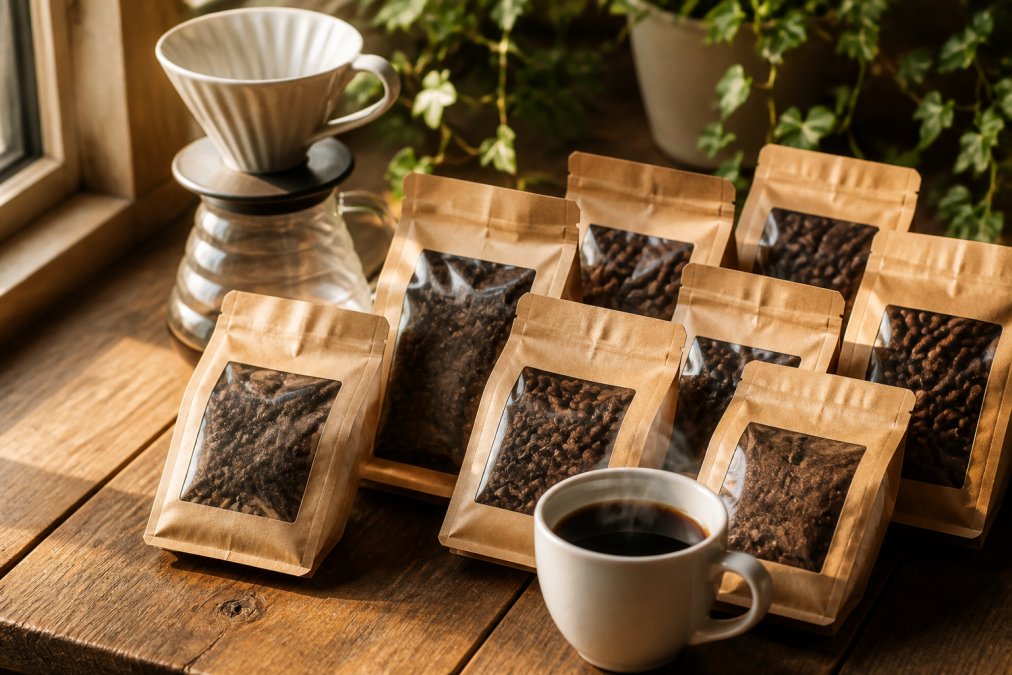
1. Brazil Santos - Best for a Smooth, Everyday Cup
Sourced from Fazenda Santa Barbara in São Francisco, this medium roast delivers a smooth cup with cocoa notes. It works in a French press, drip machine, or cold brew without adjustment.
Tasting notes: Cocoa, smooth, pleasant aroma Best for: French press, drip, cold brew, everyday drinking Pros: Versatile, smooth, low bitterness, approachable Cons: Less complexity than African or Central American single origins
Brazil Santos Coffee | Medium Roast Single Origin, $19.99
2. Colombia Medium Roast - Best for Bright, Fruity Complexity
Sourced from smallholder farmers in Medellín using the Castillo variety, this cup delivers dried orange, berry, and chocolate in layers that unfold as the coffee cools. The washed process keeps the flavor clear and defined.
Tasting notes: Dried orange, berry, chocolate Best for: Pour over, drip coffee, fruit-forward drinkers Pros: Complex tasting profile, bright acidity, clean finish Cons: The fruit-forward character won't appeal to drinkers who prefer earthy or nutty profiles
Colombia Medium Roast Coffee, $19.99

3. Kenya AA - Best for Pour Over and Floral Tasting Notes
Grown at 1,700 to 1,890 meters in Nyeri County and processed using the fully washed method, this bean produces a bright, effervescent cup with orange, lemon, and floral notes. Pour over is the ideal brewing method, as slow, controlled extraction pulls out the floral aromatics and citrus notes.
Tasting notes: Bright acidity, orange, lemon, floral, effervescent Best for: Pour over, Chemex, AeroPress Pros: Exceptional complexity, vibrant acidity, stunning aroma Cons: High acidity isn't for everyone; not ideal for espresso or cold brew
4. Guatemala - Best for Drip Coffee with Chocolatey Depth
Sourced from smallholder farmers in Antigua, this medium roast brings together dark chocolate, bright fruit, butterscotch, and citrus-like acidity. It's the ideal drip coffee bean, with butterscotch sweetness and dark chocolate body coming through cleanly.
Tasting notes: Dark chocolate, bright fruit, butterscotch, citrus acidity Best for: Drip coffee, French press Pros: Complex flavor, great sweetness, crowd-pleasing profile Cons: The citrus acidity may surprise drinkers expecting a purely chocolatey, low-acid cup
Guatemala Coffee Beans, $19.99
5. Peru Single Origin - Best Low-Acid Option
The Peru single origin from Cooperativa Agricola de Servicios Norandino is the best answer for anyone who loves coffee but finds acidity harsh on their stomach. The tasting profile is salted caramel, silky sweet, and citrus, with a balanced body that feels gentle from the first sip.
Tasting notes: Salted caramel, silky sweet, citrus Best for: Drip, pour over, acid-sensitive drinkers Pros: Low acidity, silky mouthfeel, naturally sweet Cons: Less brightness than African single origins; may feel mild to those who prefer high-acidity cups
Peruvian Coffee Brands | Peru Single-Origin Coffee, $19.99
6. 6 Bean Blend - Best for Espresso at Home
The 6 Bean Blend is a dark roast house blend built specifically for espresso. It delivers a rich, bold cup with the body and low acidity that pressure extraction demands. This purpose-built dark roast blend gives you a forgiving extraction window and consistent results. It also works well as a French press for anyone who wants a bold, full-bodied cup.
Tasting notes: Rich, bold, full-bodied Best for: Espresso, French press, cold brew Pros: Purpose-built for espresso, forgiving to extract, consistent results Cons: The dark roast profile means less origin character and more roast-forward flavor
7. Medium Roast Breakfast Blend - Best for Beginners and Daily Drinkers
The Medium Roast Breakfast Blend is a smooth, 100% Arabica South American blend designed for a clean, consistent, satisfying morning cup. The balanced body, mild sweetness, and smooth finish make it the easiest coffee to brew well on any equipment.
Tasting notes: Smooth, balanced, mild sweetness Best for: Drip coffee, automatic machines, beginners Pros: Approachable, consistent, works on any equipment, 100% Arabica Cons: Limited complexity for specialty coffee enthusiasts
Medium Roast Breakfast Blend Coffee, $19.99

Not Sure Where to Start? Try a Coffee Sampler Pack
The biggest barrier to finding the best coffee beans for home brewing is not knowing what you actually like. The Best Sellers Sample Pack includes six 2 oz samples of the most popular blends and single origins at $24.99. The Single Origin Favorites Sample Pack covers the single origin lineup specifically, also at $24.99. Both packs are roasted to order, so you're tasting each coffee at its peak.
How to Store Coffee Beans for Freshness
Whole beans stay fresh longest when kept away from light, heat, moisture, and air. Store beans in an airtight container at room temperature, away from heat sources. Never store coffee in the refrigerator, condensation introduces moisture every time you open the container. Buy in quantities you'll use within two to three weeks of the roast date.
According to the National Coffee Association's brewing guidelines, coffee begins to lose its peak flavor within weeks of roasting. A freshly roasted bag from a roasted-to-order operation will outperform a premium bag that's been sitting in a warehouse for two months.
How to Grind Coffee Beans at Home
Grind size determines how quickly water extracts flavor from the coffee. Getting it wrong produces either a sour, weak cup (under-extraction from too coarse a grind) or a bitter, harsh one (over-extraction from too fine a grind).
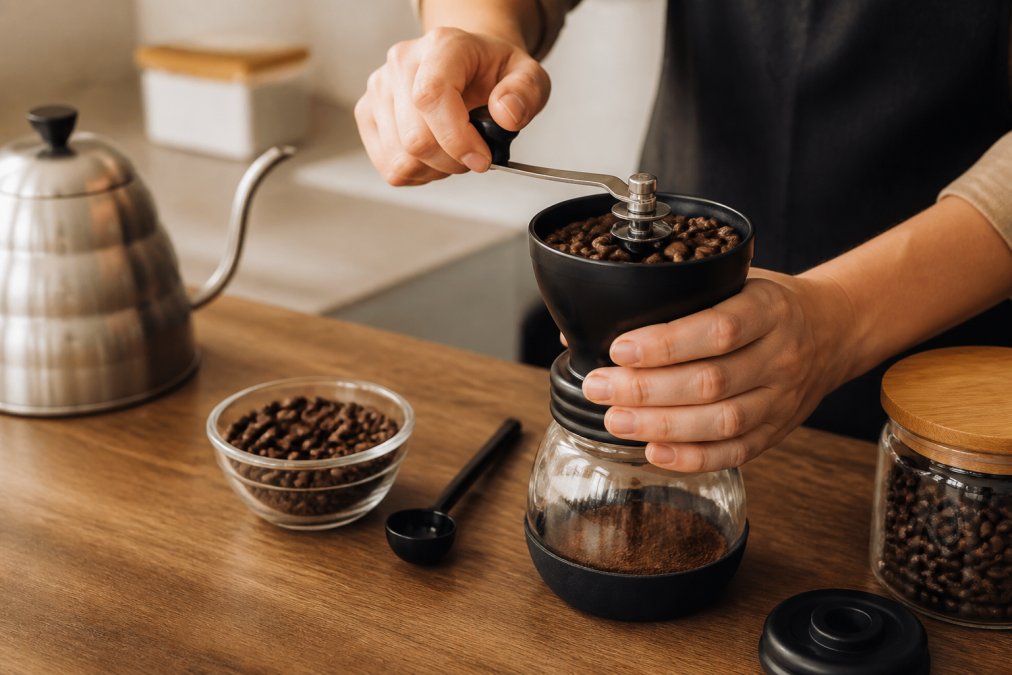
The most important upgrade any home brewer can make is switching from a blade grinder to a burr grinder. Blade grinders chop beans unevenly, producing a mix of fine powder and large chunks that extract at different rates. A burr grinder crushes beans to a consistent size, which is the foundation of a well-extracted cup.
Grind size guide:
- Extra coarse: Cold brew
- Coarse: French press
- Medium-coarse: Chemex, percolator
- Medium: Drip coffee, pour over
- Medium-fine: Pour over (finer pour over methods like V60)
- Fine: Espresso, Moka pot
According to the Specialty Coffee Association's water and brewing resources, water temperature also interacts with grind size during extraction. The general target for most brew methods is between 195°F and 205°F. These two variables account for the majority of the difference between a mediocre home brew and a great one.
Freshness, Subscriptions, and Getting the Most from Every Bag
Most coffee on retail shelves was roasted weeks or months before purchase. The bloom, that satisfying bubble when hot water first hits fresh grounds, barely happens with old coffee. Fresh beans bloom vigorously, which signals CO2 is still present and the extraction will be full and even.
For home brewers going through roughly half a pound per week, order a 16 oz bag every two weeks and you'll always be brewing within the optimal window. A subscription model solves this automatically by aligning delivery timing with how fast you actually brew. Grinding immediately before brewing preserves the volatile aromatics that make specialty coffee worth the investment.
| Coffee | Roast Level | Tasting Notes | Best Brew Method | Best For |
|---|---|---|---|---|
| Brazil Santos | Medium | Cocoa, smooth | French press, drip, cold brew | Everyday drinking |
| Colombia | Medium | Orange, berry, chocolate | Pour over, drip | Fruity complexity |
| Kenya AA | Light-Medium | Orange, lemon, floral | Pour over | Floral, bright cups |
| Guatemala | Medium | Dark chocolate, butterscotch | Drip, French press | Chocolatey depth |
| Peru | Medium | Salted caramel, citrus | Drip, pour over | Low-acid drinkers |
| 6 Bean Blend | Dark | Rich, bold, full-bodied | Espresso, French press | Home espresso |
| Breakfast Blend | Medium | Smooth, balanced | Drip, any method | Beginners, daily drinkers |
The best coffee beans for home brewing are the ones that match your equipment, your palate, and your freshness expectations. A Kenya AA in a pour over from a roasted-to-order source will outperform a premium grocery store bag of the same origin every time, because freshness is a physical property of the bean.
Choosing the right beans is only half the equation. The other half is making sure they arrive fresh enough to actually taste the way they should. The Last Sip Coffee Roasters roasts every batch to order, ships fast, and offers the full lineup of single origins and blends covered in this guide. Start with a sampler pack to find your profile, then set a delivery cadence that keeps your grinder full of fresh beans. Get started with The Last Sip Coffee Roasters and taste the difference that roasted-to-order freshness actually makes.
Frequently Asked Questions
How do I choose the right coffee beans for my brewing method?
Match the roast and grind size to your equipment. Light to medium roasts work well for pour over and drip coffee, where water contact time is shorter and acidity shines. Espresso machines extract best from medium to dark roasts with a fine grind. French press needs a coarse grind and tolerates bolder roast profiles. For the best coffee beans for home brewing, start with whole bean and grind fresh just before brewing.
What is the difference between single-origin coffee and blends?
Single-origin coffee comes from one farm, region, or cooperative, so the tasting notes reflect that specific terroir. You get distinct, traceable flavors like the citrus brightness of Kenya AA or the cocoa smoothness of Brazil Santos. Blends combine beans from multiple origins to achieve a consistent, balanced flavor across every bag. Neither is objectively better. Single origins reward curious palates; blends suit anyone who wants a reliable, familiar cup every morning.
How long do coffee beans stay fresh after roasting?
Whole bean coffee is at peak flavor between 4 and 14 days after the roast date, once the initial off-gassing period ends. Properly stored in an airtight container away from light, heat, and moisture, most whole bean coffees remain enjoyable for up to 4 weeks. After that, aroma and sweetness fade noticeably. Buying freshly roasted beans in quantities you can finish within two to three weeks is the most reliable way to protect flavor.
Does roast level affect the caffeine content of coffee?
Roast level has a smaller effect on caffeine than most people expect. Caffeine is heat-stable, so the difference between a light and dark roast is minimal by weight. However, dark roast beans are slightly less dense after roasting, so a scoop of dark roast beans contains marginally less caffeine by volume than a scoop of light roast. For practical home brewing purposes, your brew ratio and water temperature matter more than roast level when it comes to caffeine in the final cup.
Is it worth buying freshly roasted coffee online instead of from a local store?
Grocery store coffee rarely carries a roast date, and most bags sit on shelves for weeks or months before purchase. Freshly roasted coffee ordered directly from a roaster, especially one that roasts to order, arrives within days of roasting. That difference in freshness is noticeable in aroma, sweetness, and the quality of the bloom when you brew. For home brewers who invest in good equipment, starting with fresher beans is one of the highest-impact upgrades you can make.
This article was written using GrandRanker