

Fresh Roasted Coffee vs Grocery Store Beans
Table of Contents
- Fresh Roasted Coffee vs Grocery Store Beans: The Core Differences
- Understanding Coffee Roast Date Importance
- Flavor Profile, Aroma, and Oxidation
- How to Tell If Coffee Beans Are Fresh
- Cost Analysis: Price Per Cup and Real Value
- Best Way to Store Coffee Beans for Maximum Freshness
- Brewing Method Compatibility and Environmental Impact
- Fresh Roasted Coffee: Why It's Worth the Switch
Last Updated: August 13, 2026
Fresh Roasted Coffee vs Grocery Store Beans: The Core Differences
The difference between fresh roasted coffee and grocery store beans comes down to one fundamental factor: time. A bag of coffee sitting on a supermarket shelf for months undergoes chemical changes that destroy flavor, aroma, and complexity. Fresh roasted coffee, by contrast, arrives at peak freshness within days of roasting. At The Last Sip Coffee Roasters, we roast every batch to order, which means your coffee reaches you while it's still expressing its full character. This guide breaks down exactly what separates these two categories and why the gap matters far more than most coffee drinkers realize.
The core issue isn't just about taste. Grocery store coffee has already lost significant value by the time you brew it. The beans have oxidized, degassed, and absorbed ambient moisture and odors. Fresh roasted coffee, on the other hand, is still in the window where every brewing variable actually works in your favor. Understanding these differences helps you make a smarter choice about where your coffee dollar goes.
Understanding Coffee Roast Date Importance
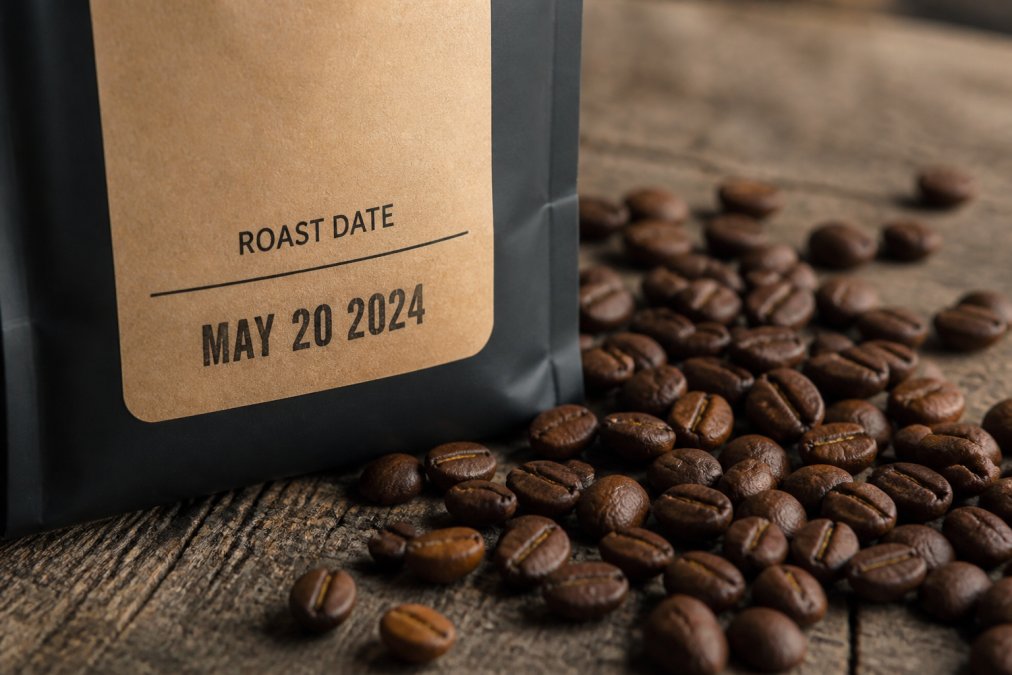
The roast date is the single most critical piece of information on a coffee bag. It tells you exactly when the beans were roasted and, by extension, how fresh the coffee actually is. Grocery store beans rarely display a roast date prominently, many don't show one at all. Fresh roasted coffee brands always do, because the roast date is proof of freshness.
When coffee is first roasted, it enters a degassing phase where carbon dioxide escapes from the beans. This process peaks between 12 and 24 hours after roasting. During this window, the coffee is actually too fresh to brew optimally, the CO2 interferes with water absorption. But after 3-5 days, the coffee hits its sweet spot: enough gas has escaped for proper extraction, yet the beans retain their oils, aromatics, and complexity. This peak freshness window typically lasts 2-4 weeks for whole beans stored properly.
Grocery store coffee often sits in warehouses and on shelves for 6-12 months or longer. By that point, the beans have lost most of their volatile compounds, the very elements that create interesting flavor notes and aroma. What you're left with is a flat, one-dimensional cup. The coffee is technically still drinkable, but you're experiencing maybe 30% of what the beans could have offered at peak freshness.
Flavor Profile, Aroma, and Oxidation
The moment coffee is roasted, oxidation begins. Oxygen in the air reacts with the bean's surface, slowly breaking down the oils and compounds that create flavor and aroma. This process accelerates over time, especially if the beans are exposed to light, heat, or air.
Fresh roasted coffee maintains a rich flavor profile with distinct notes, citrus, chocolate, berries, nuts, florals, depending on the origin and roast level. The aroma is pronounced and complex. Grocery store beans, by contrast, smell flat and one-note. The bitterness often increases as oxidation progresses, which is why old coffee tastes harsh rather than smooth.
The difference becomes obvious when you compare side by side. Brew a cup from fresh roasted beans and one from grocery store coffee roasted months ago. The fresh coffee will have clarity: you can identify specific flavor notes. The old coffee tastes muddled, bitter, and thin. This isn't subjective, it's the direct result of chemical degradation.
Specialty coffee roasters understand this. They package their beans in bags with one-way valves that let CO2 escape while preventing oxygen from entering. The Last Sip Coffee Roasters uses sealed packaging specifically to extend the freshness window. Grocery store bags, by contrast, are often just printed paper with minimal barrier protection. Once opened, the coffee degrades rapidly.
How to Tell If Coffee Beans Are Fresh
Identifying stale coffee is straightforward once you know what to look for. Fresh roasted beans have a vibrant color, usually glossy and rich, depending on roast level. Stale beans look dull and sometimes have a grayish cast. The visual difference is real and consistent.
Smell is your most reliable test. Fresh coffee has a strong, pleasant aroma, you notice it immediately when you open the bag. Stale coffee smells weak or flat. If you can barely smell anything, the beans have already lost most of their volatile compounds.
When you grind fresh beans, they release a burst of aroma. Stale beans produce almost no smell when ground. This matters because aroma is directly linked to flavor, if you can't smell it, you won't taste it either.
Taste is the final check. Fresh roasted coffee brews with clarity and complexity. You can identify individual flavor notes. Stale coffee tastes bitter, thin, or muddy. The body feels hollow compared to fresh coffee's fullness.
A practical test: buy a small bag of fresh roasted coffee from a local roaster or specialty subscription service. Brew it immediately and note how it tastes. Then compare it to your usual grocery store coffee. The difference will be obvious. Most people are shocked at how flat their regular coffee actually is once they've experienced fresh roasted.
Cost Analysis: Price Per Cup and Real Value
Fresh roasted coffee costs more per pound than grocery store coffee. A bag from The Last Sip Coffee Roasters starts at $19.99, while a comparable bag at the grocery store might be $8-12. On the surface, that looks like fresh roasted is 2-3x more expensive.
But the price-per-cup calculation tells a different story. A pound of coffee produces roughly 16 cups. At $19.99 per pound, that's about $1.25 per cup. Grocery store coffee at $10 per pound works out to about $0.63 per cup. The difference is roughly $0.60 per cup, less than a dollar.
What you're paying for isn't just coffee. You're paying for freshness, flavor complexity, and sourcing transparency. Fresh roasted coffee from specialty roasters like The Last Sip Coffee Roasters comes from carefully sourced beans with known origins. Grocery store coffee is typically a blend of commodity beans with minimal traceability.
The real value calculation depends on your consumption rate. If you drink one cup per day, the annual cost difference between fresh roasted and grocery store coffee is roughly $220. For someone who values coffee quality, that's a reasonable investment for a noticeably better experience. For someone who drinks coffee casually, grocery store beans might make sense.
But here's what most people miss: fresh roasted coffee often tastes so much better that you actually enjoy it more, which means you drink less of it. You're more satisfied by fewer cups. Some people find they cut their daily consumption by 20-30% when they switch to fresh roasted because the quality is higher. That changes the cost equation entirely.
| Metric | Fresh Roasted | Grocery Store |
|---|---|---|
| Price Per Pound | $19.99 | $8-12 |
| Cups Per Pound | ~16 | ~16 |
| Cost Per Cup | ~$1.25 | ~$0.60 |
| Flavor Complexity | High | Low |
| Freshness Window | 2-4 weeks | Expired |
| Sourcing Transparency | Known origins | Unknown blend |
Best Way to Store Coffee Beans for Maximum Freshness
Storage is where most people sabotage their fresh roasted coffee. Even premium beans degrade quickly in the wrong environment.
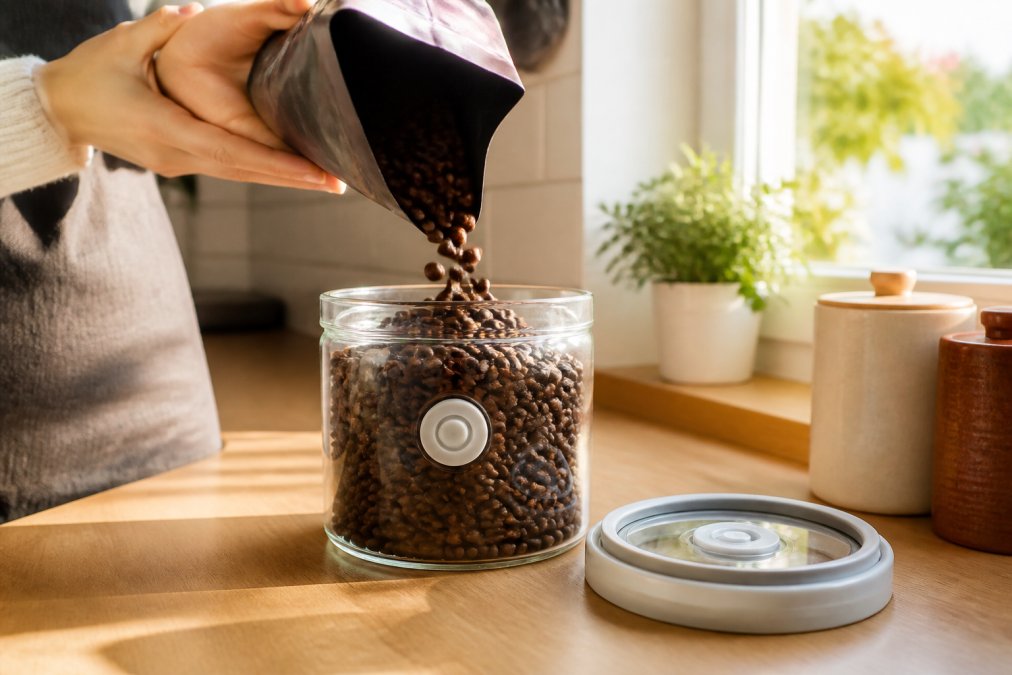
The enemy is oxygen, light, heat, and moisture. You need to minimize all four. Store whole beans in an airtight container in a cool, dark place. A sealed glass jar with a tight lid works well. Avoid clear containers, light degrades coffee. Avoid leaving the bag open or storing beans in the original bag if it doesn't seal completely.
Temperature matters. Room temperature (around 70°F) is acceptable. Avoid storing coffee in warm kitchens or near heat sources. The freezer is controversial, some experts recommend it for long-term storage, but freezing and thawing can introduce moisture. If you do freeze, use an airtight container and minimize the number of times you open it.
The best approach is simple: buy fresh roasted coffee in quantities you'll use within 2-4 weeks. Grind only what you need for each brew. This keeps the beans intact longer and prevents oxidation from grinding. Whole beans stay fresh far longer than pre-ground coffee.
Pre-ground coffee loses freshness within hours of grinding. If you buy pre-ground grocery store coffee, you're starting with a significant disadvantage. The grinding has already exposed most of the surface area to oxygen. By the time you brew it, significant degradation has occurred.
Brewing Method Compatibility and Environmental Impact
Fresh roasted coffee's flavor complexity actually requires the right brewing method to shine. Cheap drip machines with paper filters often over-extract fresh coffee, making it taste bitter. French press and pour-over methods work better because they give you more control over extraction time and water temperature.
Grocery store coffee, by contrast, is somewhat forgiving. Its flat profile doesn't change much regardless of brewing method. You can use a basic drip machine and the coffee tastes about the same as it would in a French press. This is partly because there's less to extract, the flavor compounds are already mostly gone.
For specialty brewing methods like espresso or AeroPress, fresh roasted coffee is essential. These methods rely on precise extraction, and stale beans simply won't produce the same clarity or body. If you're investing in quality brewing equipment, you need fresh roasted coffee to see the return on that investment.
Environmental impact is another consideration. Fresh roasted coffee from specialty roasters typically comes from sustainable sourcing practices. Many roasters, including The Last Sip Coffee Roasters, prioritize direct trade relationships and traceable supply chains. Grocery store coffee often comes from commodity sources with minimal environmental oversight.
Additionally, buying fresh roasted coffee in bulk through subscriptions reduces packaging waste compared to buying single bags at the grocery store repeatedly. You're also supporting smaller roasters rather than large commodity operations.
Fresh Roasted Coffee: Why It's Worth the Switch
The case for fresh roasted coffee isn't complicated. You get a noticeably better cup, you know exactly where your coffee comes from, and the per-cup cost difference is smaller than most people think. For anyone who drinks coffee regularly, the quality improvement justifies the switch.
The real barrier is convenience. Grocery store coffee is available everywhere. Fresh roasted coffee requires ordering online or visiting a specialty roaster. But this barrier is lower than it used to be. Subscription services and online ordering have made fresh roasted coffee as accessible as grocery store coffee was a decade ago.
Start with a small order. Try The Last Sip Coffee Roasters' Single Origin Sample Pack ($24.99), which includes six different origins in 2oz packs. This lets you explore different flavor profiles without committing to a full pound of any single coffee. If you prefer convenience, the Premium Coffee Capsules - 60 Pack ($59.99) offers fresh roasted quality in single-serve format with minimal setup required.


The difference between fresh roasted coffee and grocery store beans is real, measurable, and worth experiencing. Once you've had coffee at peak freshness, going back to grocery store beans feels like a downgrade. That's not coffee snobbery, it's the natural result of tasting what coffee actually tastes like when it's treated as a perishable product that deserves care.
Frequently Asked Questions
Are freshly roasted coffee beans really better than grocery store coffee?
Yes. Fresh roasted coffee retains significantly more aroma and flavor complexity within 2-4 weeks of the roast date. Grocery store beans often sit on shelves for months, allowing oxidation and degassing to strip away the richness and body that make specialty coffee distinct. The difference is most noticeable in the first sip, where fresh roasted delivers brightness and clarity that stale beans cannot match.
Does the roast date on a coffee bag really matter?
Absolutely. The roast date determines peak freshness and directly affects extraction and flavor development. Coffee reaches peak flavor between 3-7 days after roasting, when degassing has stabilized but the beans retain maximum solubility. Beans roasted more than 30 days prior have lost significant aromatic compounds and complexity. Checking the roast date is the single most reliable way to ensure you're buying coffee at its best.
How long do grocery store coffee beans stay fresh?
Grocery store beans typically remain on shelves for 3-12 months before purchase, and their roast date is often unknown or unlabeled. Once opened, they degrade within 1-2 weeks due to oxidation and exposure to air. Fresh roasted coffee, by contrast, maintains peak flavor for 2-4 weeks when stored properly in an airtight container, giving you a much longer window of optimal taste.
What is the main difference between specialty roasts and supermarket coffee?
Specialty roasts emphasize origin characteristics, small-batch roasting, and documented freshness through visible roast dates. They're roasted in smaller quantities to order, preserving the complexity and acidity that define each bean's terroir. Supermarket coffee prioritizes shelf stability and cost, using commodity-grade beans that are often over-roasted to mask inconsistency and age. This results in flatter flavor profiles and higher bitterness.
Is it really worth buying expensive fresh roasted coffee?
The cost difference is smaller than it appears when calculated per cup. A $20 bag of fresh roasted coffee yields roughly 15-18 cups, or about $1.10-$1.33 per cup. Grocery store premium beans average $0.70-$0.90 per cup but deliver less flavor complexity and shorter shelf life once opened. Fresh roasted coffee also eliminates waste because it stays fresh longer, meaning you finish the bag before it goes stale. For coffee drinkers who prioritize taste and consistency, the premium is justified.
The choice between fresh roasted coffee and grocery store beans ultimately comes down to how much you value quality in your daily ritual. Fresh roasted coffee from The Last Sip Coffee Roasters delivers maximum flavor and aroma because every batch is roasted to order and shipped fresh. With simple ordering and reliable delivery, you get a smooth, satisfying cup without the complexity of managing inventory. Start today and experience the difference freshness actually makes.
This article was written using GrandRanker